Wir setzen unsere Arbeit zum Thema Anerkennung fort und haben uns für 2016 neue Schwerpunkte vorgenommen. Der Fokus von Anerkannt! 2016 liegt auf der Arbeit mit MultiplikatorInnen wie Fraueneinrichtungen, GemeinwesenarbeiterInnen, SozialpartnerInnen sowie auf potentiellen ArbeitgeberInnen wie Klein- und Mittelbetriebe. An geplanten Maßnahmen werden wir für Fraueneinrichtungen spezifizierte Workshops anbieten, eine Online-Umfrage bei KMUs, regional gestreute Betriebsbesuche sowie niederschwellige...Continue reading
Kategorie: Aktivitaet
25% of migrants in Austria work below their educational level. Women are even more affected. Due to the lack of recognition of their qualifications they experience dequalification. Unused ressources are likely to complicate their social participation. And additionally this is not beneficiary to the economic system and employment situation. “Recognition! – Project for an easier...
ELINET – European Literacy Policy Network
02/2014–01/2016The European Literacy Policy Network (ELINET), co-ordinated by the University of Cologne, consists of 79 partners from 28 European countries and aims to analyse and consult on literacy policies at a local, regional, national and trans-national level, raising awareness of literacy issues and coordinating in-country campaigns. The network’s approach is to develop evidence based standards and...Continue reading
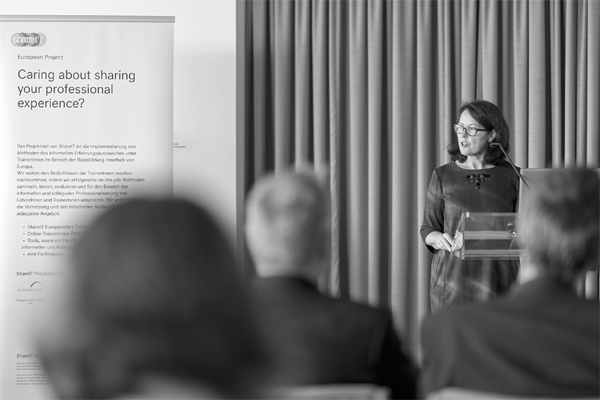
In the United Kingdom, Austria, Germany, Poland, and Switzerland and other European countries academically backed up qualifications, trainings and modules for trainers in literacy and basic skills provision (reading, writing, numeracy, and use of ICT) have been developed and tested over the past years. Surveys amongst qualified trainers and evaluations show that there is additional...Continue reading
L4City – Lifelong learning for a Learning City
08/2013–07/2015In 2008, for the first time in history, more than half of the world’s population lived in towns and cities. More than that, nearly all future population increases will be in urban areas in the developing countries and according to the United Nations, urban population is going to jump from 3.4 billion in 2009 to...
citiZENs: friendly cities-cities for all
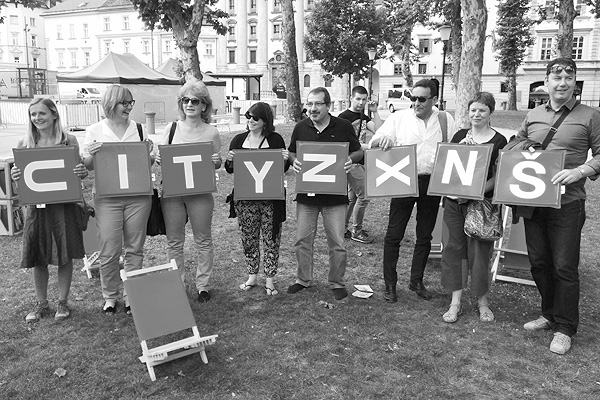
08/2012–07/2014citiZENs project bases on some lacks perceived by several European professionals, specialised in the fields of inclusion, training and equal opportunities. Those lacks are seen as a consequence of the natural growth and development of cities. Cities (independently from their size), are characterised for their public spaces where socialization, relationships building, cultural exchange and...Continue reading
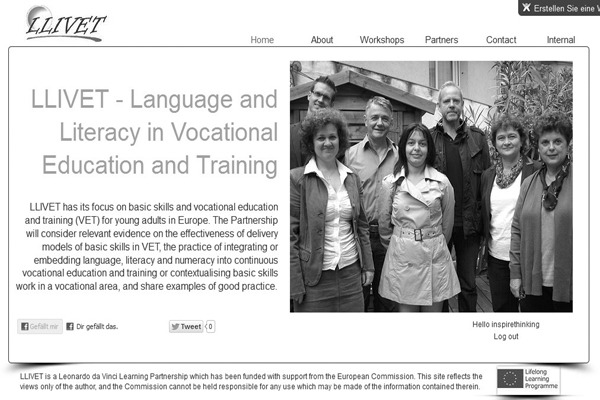
The practice of integrating or embedding language, literacy and numeracy into continuous vocational education and training or contextualising basic skills work in a vocational area has recently been given a renewed focus in the UK, following research and development by the Institute of Education, University of London, as part of the Skills for Life strategy....Continue reading
SOMEBA – SOcial MEdia in Literacy and BAsic Skills Programmes
08/2011–07/2013Developments in Social Media over the past years have had an enormous impact on society. Individual daily routines and the way people communicate with each other have started to change through the influence of Social Media such as Facebook our Youtube. This huge shift effecting everyday life brings along multiple opportunities and chances but also...Continue reading
HIDD – Hidden Histories – Intercultural Dialogue and Learning
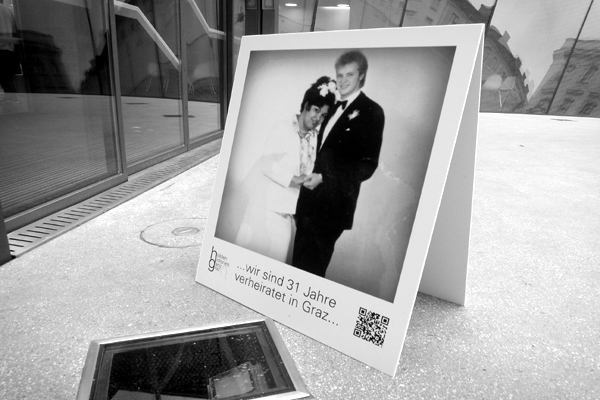
17.05.–03.06.2012hidden.histories.ganz.graz. – die Ausstellung zum Projekt Foyer Multimediale Sammlungen, Joanneumsviertel Dauer: 17.05. – 03.06.2012 Öffnungszeiten: Di-So 10-17Uhr Die Ausstellung hidden.histories.ganz.graz ist das Ergebnis des zweijährigen europäischen Erwachsenenbildungsprojektes mit dem Titel HIDD – Hidden Histories – Intercultural Dialogue and Learning. Die Projektpartner aus vier Ländern – England, Irland, Finnland, Österreich – setzen sich zum Ziel, marginalisierte...Continue reading
The partners in MÖAB, a Grundtvig Learning Partnership, will discuss and deal with the following questions: How can people with low basic skills be addressed? How can they be motivated to learning? Which counselling concepts have proven to be successful? Experiences and good practice of public relations, advertisement of basic skills provisions, addressing of learners,...Continue reading